


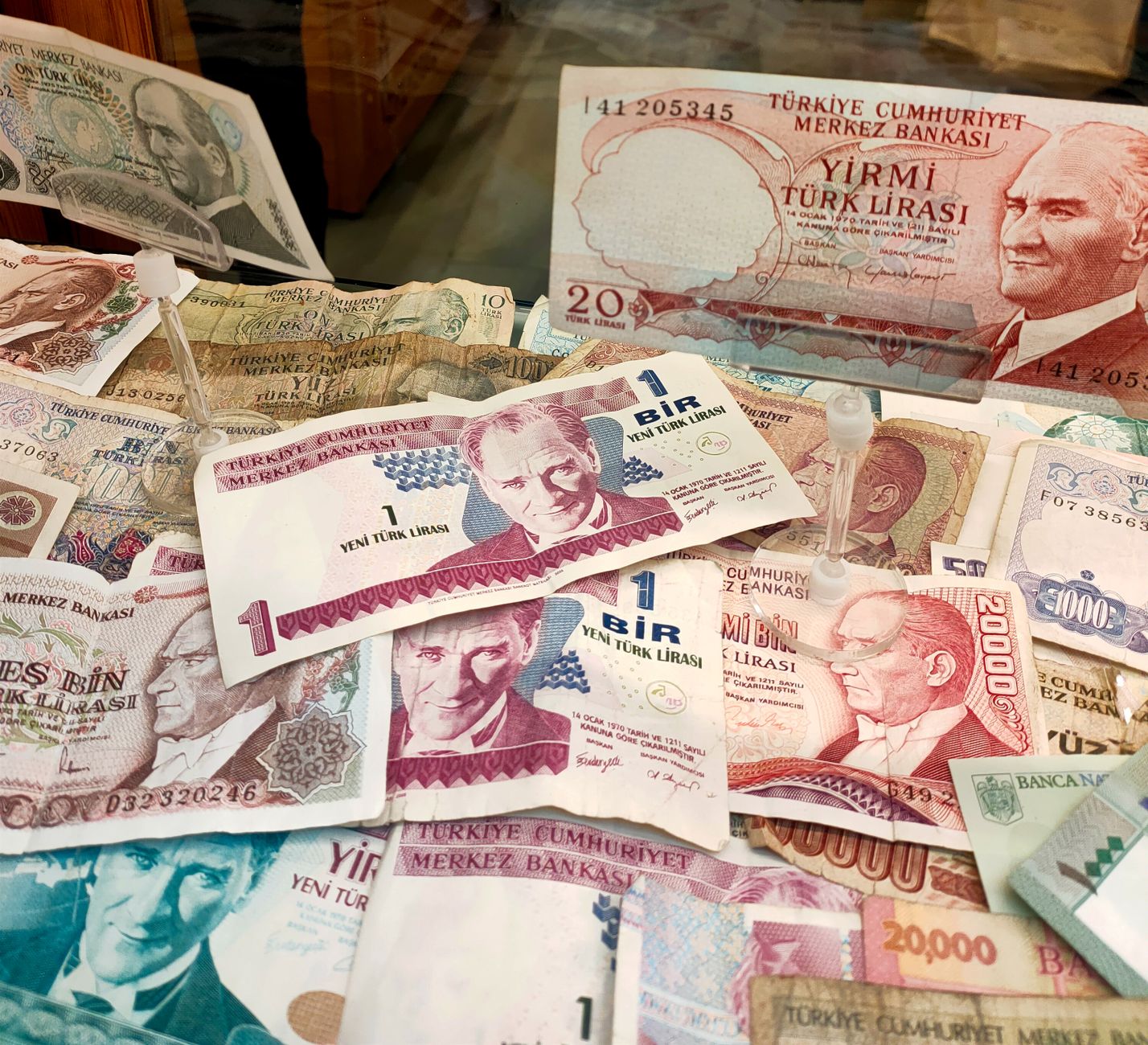
Curious about what new money really means today? Explore how this specific term impacts city bonds, federal bank printing, and wild wealthy social circles.
Money makes people act incredibly weird. It builds massive cities. It destroys happy families. It causes endless daily stress. If you watch the financial news late at night, you might hear talking heads throw around a very specific phrase. They love to talk about something called new money. Most normal folks just scratch their heads at the TV. Cash is cash, right? A dollar bill printed yesterday spends the exact same way as a crumpled dollar from ten years ago.
But in the circles of high finance and wealthy society, the phrase means a few different things. It changes completely depending on who is talking. A tired banker on Wall Street uses the term differently than a gossip columnist in a fancy magazine. To figure out what this concept is really doing to the world in 2026, we have to look closely at city debts. We also need to understand digital cash printing and the wild behavior of tech billionaires.
The Real Definition In The Bond Market
Let us start with the most boring but deeply important definition. In the world of government finance, the term has a strict legal meaning. Cities and states need cash to build things constantly. They need to fix dangerous potholes. They need to build giant high schools. They need to replace rusty old bridges.
They rarely have enough actual cash sitting in a town safe. So, they borrow it directly from investors by selling municipal bonds. When a city borrows cash to start a brand new project from scratch, they call the funds new money.
This is a very specific official label. It proves the city is taking on fresh debt to grow physically. This is completely different from a refunding bond. Refunding just means the city is taking out a new loan to pay off an old loan. They usually do this to get a better interest rate from the bank. It is exactly like refinancing a family house.
Investors actually love these fresh growth bonds. When a small town issues debt for a new water treatment plant, it means the town is expanding. People are actively moving there. Small businesses are opening their doors. Fresh debt actually means forward progress. The legal paperwork is super long. The city lawyers get paid way too much. But the end result is a tangible physical improvement to a real community.
The Federal Reserve And Digital Cash
Now we move to the terrifying part of the modern economy. Central banks, like the powerful Federal Reserve, have a literal superpower. They can magically create cash out of thin air. When economists use the term, they are talking about the total supply of currency existing in the world.
And in 2026, the digital bank printers are basically running fast marathons. The government does not actually print giant physical stacks of paper bills anymore. That is a fun myth from old action movies.
Today, the central bank just types shiny numbers into a computer screen. Through a weird process called Quantitative Easing, they buy massive amounts of old bonds from private banks. They pay for these bonds with digital funds that did not exist ten seconds earlier.
Suddenly, the private banks have billions of dollars in fresh cash sitting on their digital balance sheets. The entire banking system gets flooded. The central bank does this specifically to force the slow economy to move faster. When banks have too much cash, they get super desperate to lend it out. They lower their interest rates. They throw cheap loans at small businesses and young home buyers. It is exactly like injecting pure adrenaline straight into the heart of the stock market.
Fractional Reserve Banking Explained Simply
The giant central bank is not the only group creating currency. Your friendly local neighborhood bank does it every single day. This is the absolute craziest secret in the entire financial world. It is a crazy system called fractional reserve banking.
It sounds like terribly complicated math. But the basic concept is actually incredibly simple. Imagine a guy deposits one thousand dollars into his checking account. The bank does not put that actual cash in a heavy metal vault with his name on it.
By law, they only have to keep a tiny fraction of it safe. They might keep just ten percent. They take the other nine hundred dollars immediately. They lend it directly to the lady next door so she can buy a used car.
Now, look at the crazy math. The guy still sees one thousand dollars on his mobile bank app. The lady has nine hundred real dollars to give to the car dealer. The bank just magically turned one thousand dollars into nineteen hundred dollars of total spending power. Every single time a bank issues a loan, they create fresh digital money. This wild cycle repeats endlessly. It is a giant house of cards. But it works perfectly as long as everyone does not demand their physical cash on the exact same day.
Tech Billionaires And The Modern Gold Rush
The clash between these two rich groups is truly hilarious to watch. In 2026, the self made crowd is heavily dominated by tech bros and crypto kids. A twenty five year old kid creates a stupid little app.
He sells it for fifty million dollars to a huge tech company. The young billionaire instantly buys a neon green Lamborghini. He buys a massive mansion in Miami. He throws wildly expensive parties every weekend. This is the absolute peak of new money behavior.
Because they grew up totally normal, these folks desperately want to show off their success. They buy shiny gold watches the exact size of dinner plates. They post endless pictures on private jets. They totally lack the quiet restraint of the generational trust fund kids.
And honestly, who can blame them? If someone works eighty hours a week in a hot garage for five straight years, they want to enjoy the massive victory. However, this flashy lifestyle often leads directly to disaster. Many self made millionaires go completely broke within ten years. They just do not know how to manage capital properly. They make terrible investments. They trust sketchy financial advisors. They burn through the cash fast because they foolishly assume they can always just build another successful app. The quiet families survive simply because they treat the family treasury like a sacred religion.
Inflation And The Cost Of Printing Cash
Let us bring the conversation safely back to reality. What happens to regular folks when the banking system pumps too much fresh digital cash into the world? The painful answer is a nasty word called inflation.
It is the hidden invisible tax that actively destroys the working middle class. When millions of people suddenly have easy access to cheap loans and fresh cash, they start buying things fast. They buy houses. They buy cars. They buy lots of groceries.
But if the factories are not building more houses or cars, a massive problem happens. You have a giant mountain of cash chasing a tiny pile of goods. The smart people selling the goods realize they can raise the prices.
A simple loaf of bread goes from two dollars to four dollars. Normal houses become completely unaffordable for young families. The actual cash sitting under a mattress loses its purchasing power every single day. The central bank eventually panics. They jack up interest rates violently to stop the financial bleeding. This is the truly dark side of a booming currency supply. The people closest to the printing press get insanely rich. The regular guy working at the hardware store just sees his monthly rent go up. The system is heavily rigged to favor the folks handling the big transactions.
Surviving The Changing Wealth Landscape
The global financial game is constantly shifting. The old rules from thirty years ago simply do not work anymore. Understanding how cash actually moves is crucial.
Learning how debt builds cities and how inflation destroys savings is the only real way to survive. You cannot just ignore the scary math and blindly hope for the best.
Whether you are looking at a boring municipal bond for a new highway or rolling your eyes at a flashy tech billionaire, it all comes back to the same concept. Capital is basically pure energy. When fresh energy enters the system, things change rapidly. Keep your eyes open. Ignore the flashy noise. Protect your own financial future fiercely. The bank printers will never truly stop running. You simply have to learn how to swim in the giant flood.
FAQs
What is the difference between old wealth and new money socially?
The newer term describes people who earned their wealth entirely within their own lifetime. Old wealth refers to quiet wealthy families who inherited their fortunes across multiple generations.
Why do cities issue bonds for fresh projects?
Cities do not keep massive piles of cash in reserve. They issue bonds to borrow cash from investors to build large projects like schools or water plants.
Does my local bank actually create currency?
Yes. Through a system called fractional reserve banking, a bank creates digital funds every single time they approve a new loan for a customer.
Is a growing money supply always a bad thing?
No. A slowly growing supply helps small businesses expand and hire workers. It only becomes dangerous when it grows too fast and triggers massive inflation.