


The Cost To Clear An Acre Of Land varies wildly based on trees and brush. Learn the real hidden fees of bulldozing and forestry mulching today.
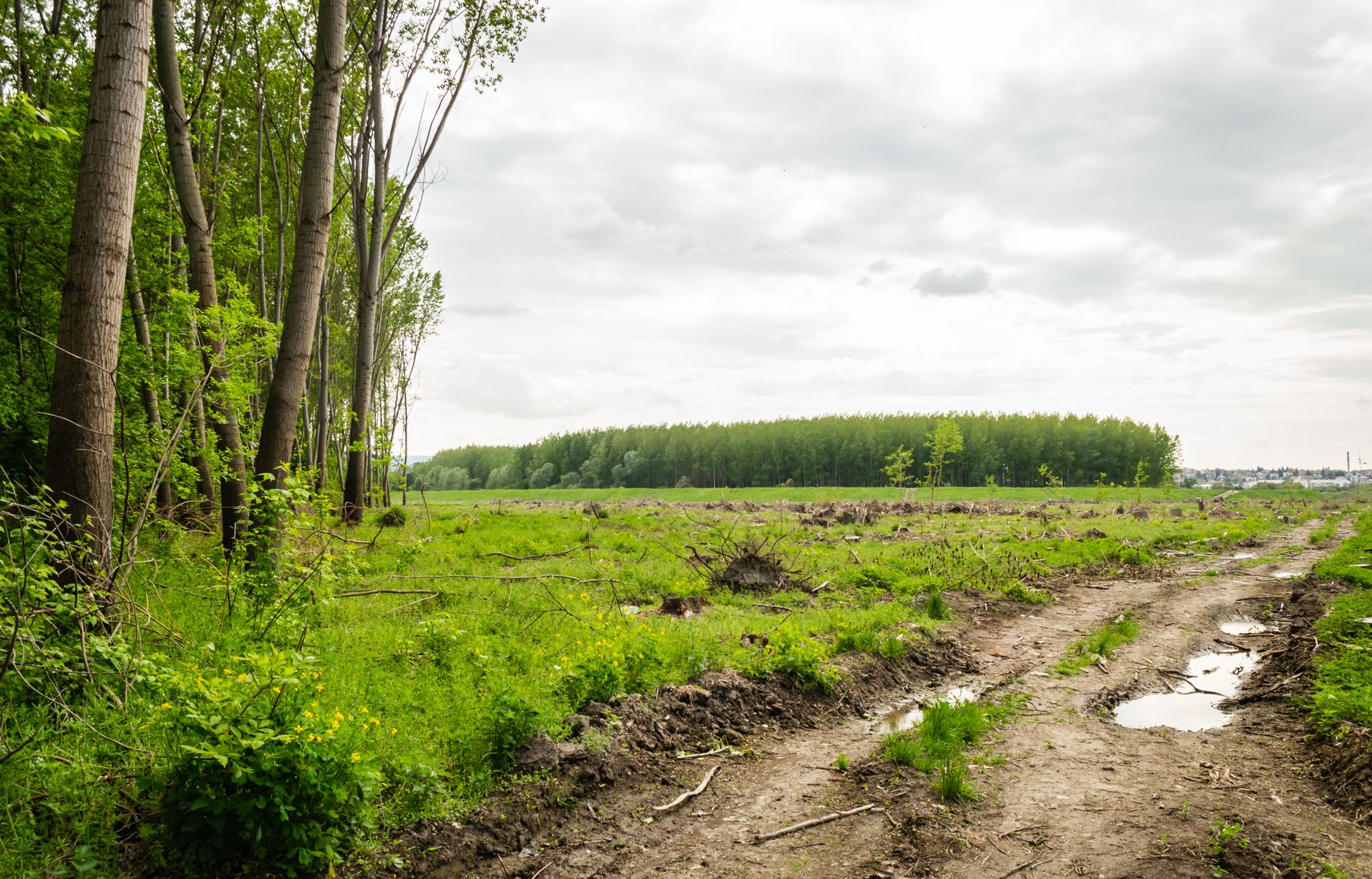
Buying raw dirt feels like a massive personal victory. People stand on an empty green lot and dream big dreams. They picture a beautiful family house right in the middle. They imagine a nice red barn sitting in the back. But wild nature does not care about those dreams at all. Raw land is usually covered in very thick brush. It has massive standing trees and giant stubborn stumps.
Before a single metal hammer swings, that dirt needs to be completely naked. This tough process is called land clearing. It is a very loud, dirty, and expensive job. Most new property owners get severe sticker shock right away. The Cost To Clear An Acre Of Land is never cheap. The price swings wildly depending on the ugly mess growing there. Some flat plots are an absolute breeze. Other rocky plots are a total living nightmare. An average job runs between fifteen hundred and fifty-six hundred dollars. Getting multiple quotes is not just smart. It is absolute survival.
Why Raw Dirt Eats Your Savings Account
Dirt is never just plain dirt. Every single property has a totally unique personality. Some acres are mostly tall green grass and small annoying weeds. That is considered very light work. The clearing crew brings in a heavy-duty mower. They knock the whole field down in a few short hours. The final bill is pretty small. You might escape for just twelve hundred dollars.
This is the absolute cheapest way to get a clean slate. It works great for a simple open pasture. But real life is rarely that incredibly easy. Most lots have thick nasty bushes and small trees. The tough industry calls this medium clearing. Small saplings have surprisingly tough roots hidden underground. A regular mower cannot handle them at all. The crew needs a skid steer with a special heavy attachment. Now you are looking at up to forty-five hundred dollars. Heavy clearing involves massive old oak trees and very dense vines. That kind of war zone can easily cost over seven thousand dollars.
Common Land Types And The Painful Prices
- Light Brush: Twelve hundred to twenty-five hundred bucks for tall grass.
- Medium Growth: Up to forty-five hundred for stubborn green saplings.
- Heavy Forest: Seven thousand dollars or more for very thick timber.
- Nightmare Terrain: Over ten grand for steep rocky hillsides.
Forestry Mulching Changes The Whole Game
There is a modern mechanical trick to save some real cash. It is called forestry mulching. It is a fantastic human invention. Instead of cutting tall trees and hauling them far away, crews use a monster machine. This metal machine literally eats the dense forest. It grinds standing trees right down to the bare soil.
It spits out fresh brown mulch right behind it. The heavy mulch covers the dirt and stops bad erosion. The property looks exactly like a neat, expensive park when they finish. Mulching is incredibly fast and furious. It usually costs between twelve hundred and five thousand dollars. Because it is extremely fast, the human labor bill is much smaller. But there is a massive hidden catch. Mulching leaves all the stumps buried right in the ground. The machine grinds them totally flat, but the giant root ball stays buried. You cannot pour a heavy concrete foundation over dead roots. The soil sinks deeply.
Bringing In The Big Heavy Bulldozers
If you want to build a very heavy structure, you need the brute force method. You need a massive yellow bulldozer. Bulldozing does not just cut trees down neatly. It violently rips them right out of the earth by the roots. The roaring machine pushes everything into giant ugly piles. This leaves the dirt totally bare and ready for a new foundation.
Removing the deep root systems is strictly non-negotiable for a home site. The ground must be perfectly stable forever. This brute force costs serious money. Bulldozer work easily runs between three thousand and eight thousand dollars per acre. It requires a highly skilled human operator. A bad operator will accidentally scrape away all the good topsoil. They leave the land completely ruined and barren. After the loud dozer finishes, you have a brand-new problem. You have massive ugly piles of dead trees and dirt. You have to figure out what to do with that giant mess.
Hidden Fees That Wreck The Budget
The initial job quote is just a polite suggestion. The real financial pain comes from hidden fees. Stump removal is a notorious budget killer. If you have ten massive oak stumps, you are in serious trouble. A busy contractor might charge three hundred bucks per stump just to dig it out. That specific math adds up incredibly fast. Roots go deep into the dark earth.
Taproots grip the earth exactly like concrete anchors. Removing them burns a ton of expensive diesel fuel. Debris hauling is another absolute nightmare. You cannot just leave a twenty-ton pile of dead trees sitting around. If local town laws forbid burning, you must truck it all away. Dump trucks charge huge hourly rates. Landfills charge giant dumping fees by the ton. Hauling can easily add two thousand dollars to the final bill. Then the local city bureaucrats want their cut. You usually need costly permits to cut down any trees.
Location Changes Everything About The Price
Geography completely dictates the final invoice. Prices change rapidly based on the state line. Down in the sunny Southeast, things are a bit cheaper. States like Georgia and Texas have thousands of hungry clearing crews. All that local competition drives the prices down fast. The warm pleasant weather means crews work hard all year long.
A property owner in Florida might pay twenty percent less than the national average. Labor is definitely cheaper. Fuel is sometimes cheaper too. But try clearing a single acre in California or New York. The final price will make your heart stop beating. Labor rates in coastal states are sky-high. The environmental rules are incredibly strict and painful. You might have to hire a smart biologist. They inspect the dirt for endangered tiny bugs before you can start a tractor. Those ridiculous rules add massive delays. Time is always money in construction.
Prepping The Soil After The Trees Fall
Knocking down the giant forest is only chapter one. Once the junk is totally gone, the land looks like a bomb went off. There are giant ugly holes everywhere. The ground is totally uneven and messy. You have to fix this immediately. This vital next step is called grading. A machine pushes the loose dirt around to make it perfectly level.
Grading is incredibly crucial for proper water flow. If the dirt slopes directly toward the new house, the basement will flood every time it rains hard. Smart owners also spare a few really good trees. Total destruction is usually a terrible mistake. A massive, healthy oak tree adds serious cash value to a property. It provides amazing summer shade for the yard. You must mark these specific keeper trees with bright orange tape. Tell the bulldozer driver to stay far away from them. Heavy metal tracks will easily crush the delicate root systems hidden underground.
Wrapping Up The Big Dirt Project
Developing wild land takes extreme patience. It takes a very thick skin and a really fat wallet. There are always surprise giant rocks buried deep in the ground. Machines always break down at the worst times. It rains for a week straight and stops all progress completely. But watching a raw wild jungle turn into a beautiful buildable lot is an amazing feeling.
You just have to plan for the absolute worst. Double the estimated timeline right away. Add twenty percent to the total budget for wild emergencies. Some stubborn folks try to save cash by doing it themselves. A guy buys a shiny chainsaw and thinks he is a professional lumberjack. Take a brave guy like Mike Johnson Age Fifty. He tried to drop a giant pine tree himself. The heavy tree crushed his brand-new truck. Professional crews have good insurance for a very valid reason. Cutting massive timber is incredibly dangerous. Pay the professionals.
FAQs
How much cash does it really take to clear thick woods?
A dense wild forest usually runs between forty-five hundred and seven thousand dollars per acre. Steep rocky hills will push that price even higher.
Does forestry mulching save a lot of money?
Forestry mulching is generally much cheaper and faster. It ranges from twelve hundred to five thousand dollars. But it leaves all the stumps buried in the dirt.
Can an owner clear land without asking the local city?
Usually, no. Most local governments strongly require expensive permits before heavy equipment arrives. They regulate dirt moving strictly to prevent street flooding.
How many days does a clearing crew actually take?
A professional crew with heavy modern machines finishes one average acre in two or three days. Bad weather or broken machines will easily delay everything.